

Residential Park Home Insurance
Contact Us Today to Discuss Residential Park Home Quotes
Arranging specialist insurance for over 90 years. We can help to arrange Park Home policies designed to suit your needs and requirements.
Who We Are
Park homes go by several names. Park home, residential park home, and mobile home all describe the same kind of property, and Advance arranges insurance for all three. Whether your park home sits on a residential park in Cornwall, a retirement site in Devon, or anywhere across the Southwest and beyond, we can help you cover it properly. Mobile home insurance and park home insurance are, in practice, the same cover for park homes under different names, and we place park homes with insurers who know them well.
As an insurance broker with over 90 years of experience, we can help to arrange cover for your park home saving you time and effort on searching around for a policy.
We can arrange quotes and compare several insurers, so whether you’re buying your first park home, want more cover, or you’re simply looking for a better deal when renewing your policy we can help you find suitable cover for it. Get in touch with our friendly team today who will be happy to help find the cover you are looking for.

What Is a Park Home, and How Is It Different?
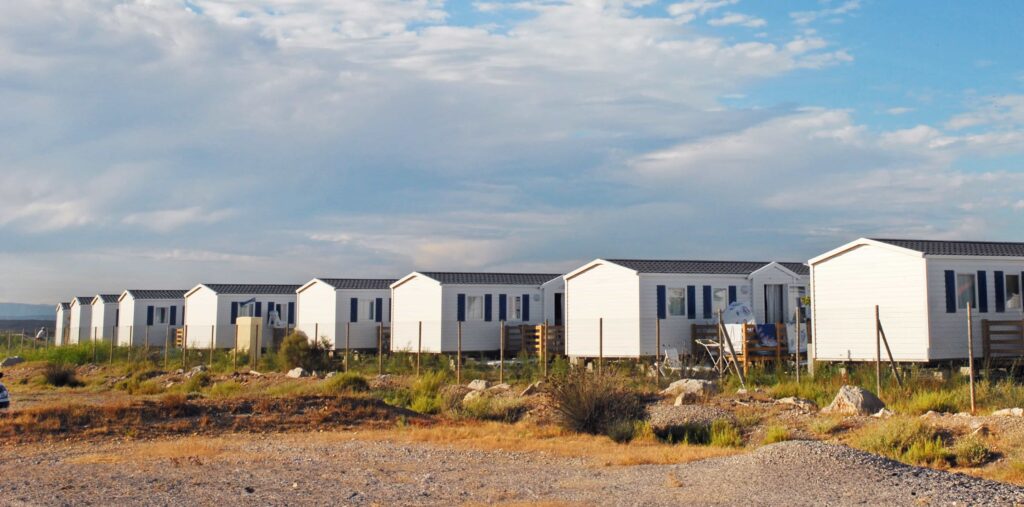
Park homes are factory-built, single-storey homes that sit on a pitch within a licensed residential park. They are designed and built to a residential standard for full-time living, which is what sets them apart from holiday caravans. People do live in park homes year round, and many park homes sit on sites aimed at owner-occupiers looking to downsize.
The differences matter for insurance. Park homes are not the same as a static caravan or a leisure lodge on a holiday park, which are built for seasonal use, and they are nothing like a touring caravan or motorhome that moves under tow or its own engine. If your home is a seasonal holiday unit, our static caravan insurance is the closer fit.
Because park homes are permanent residences built on a chassis rather than brick foundations, they need their own policy rather than standard home insurance or ordinary caravan insurance, and a park home insurance quote is worked out differently from a standard home insurance quote.
What Residential Park Home Insurance Can Cover
- Accidental Damage
- Contents Cover
- Valuables and Personal Possessions
- Flood, Fire, and Theft Cover
- Home Emergency Cover
Structure and Materials: Why Standard Insurers Decline
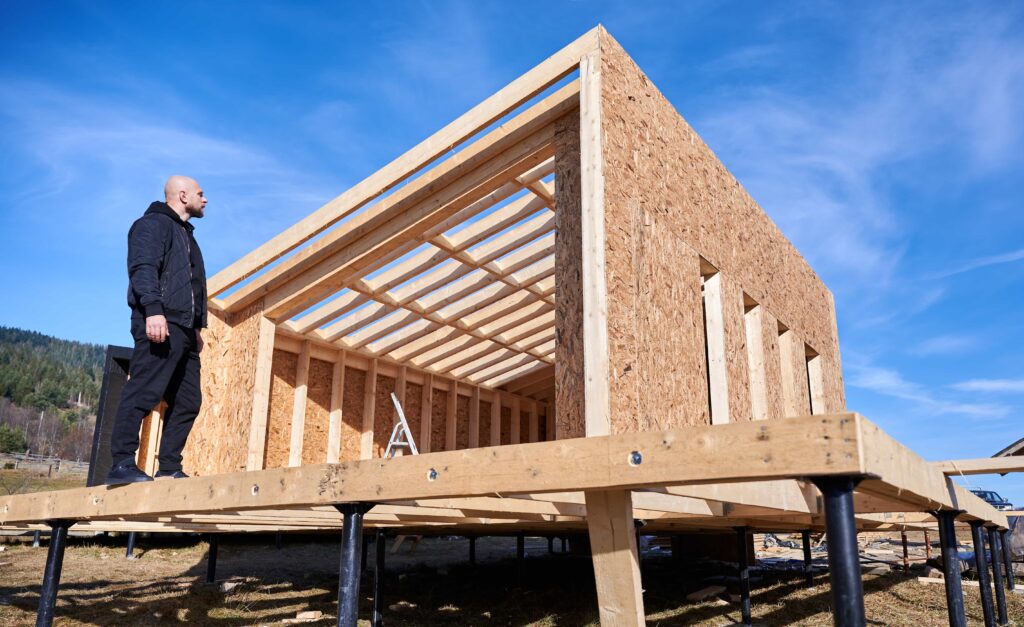
The way park homes are built is the main reason a standard household insurer will not touch them. Instead of brick and mortar, park homes are built on a steel chassis, with timber framing, insulated wall panels, and external cladding, and their roofs and single or twin skin construction behave very differently from a traditional home in a fire, flood, or storm.
Older single skin park homes are more exposed to the weather and to condensation, while modern twin skin park homes are better insulated and generally cheaper to insure. Repairs call for tradespeople who work on park homes specifically, and replacement values are worked out on the cost to replace the actual model rather than a bricks-and-mortar rebuild. Insurers understand park homes and price cover accordingly, which is why park home insurance cover belongs with them rather than a mainstream home insurer.
Site Agreement and Pitch Risk
Most park homes are owned outright while the pitch they stand on is rented, under a written agreement with the park owner. That arrangement brings risks a standard homeowner never faces. Pitch fees are payable to the site, parks set their own rules on occupancy and upkeep, and if the site itself closes or changes hands your right to keep the home there can be affected. These are risks unique to park homes rather than bricks-and-mortar houses.
A good park home policy sits alongside this rather than ignoring it. We can talk you through how your cover interacts with your pitch agreement, so that a claim on the home is not undermined by a question over the site.

Living in a Park Home: Residency and Occupancy
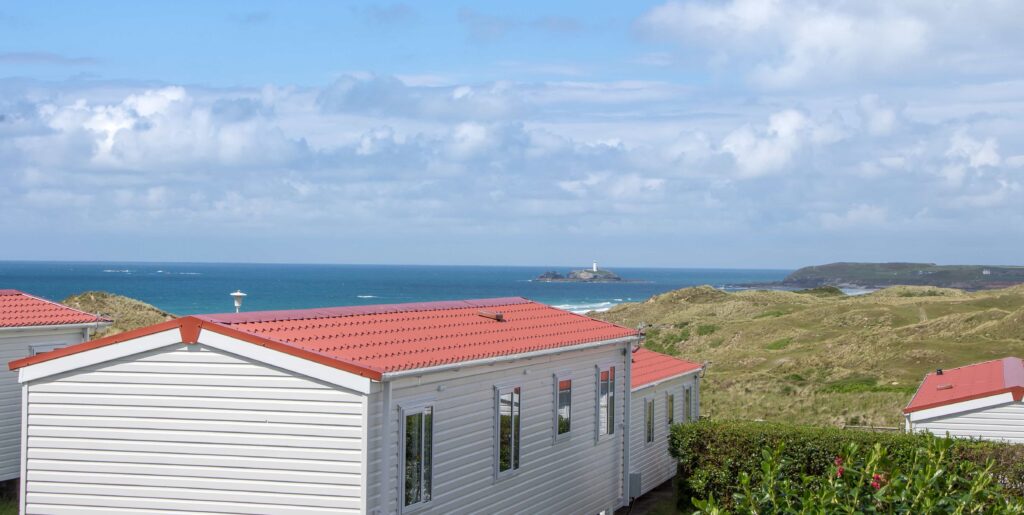
How you use the home shapes the cover. Most residential parks are for permanent, year-round living, and many operate as over-50s sites with residency conditions, so it is worth being clear with your insurer that the park home is your main and only residence. Park homes left unoccupied over winter, or while owners spend long periods away, need this flagged, because standard policies restrict cover once a property is empty beyond a set number of days and the terms can be set correctly from the start. Getting this right gives real peace of mind.
Re-Siting, Transit and Damage During a Move
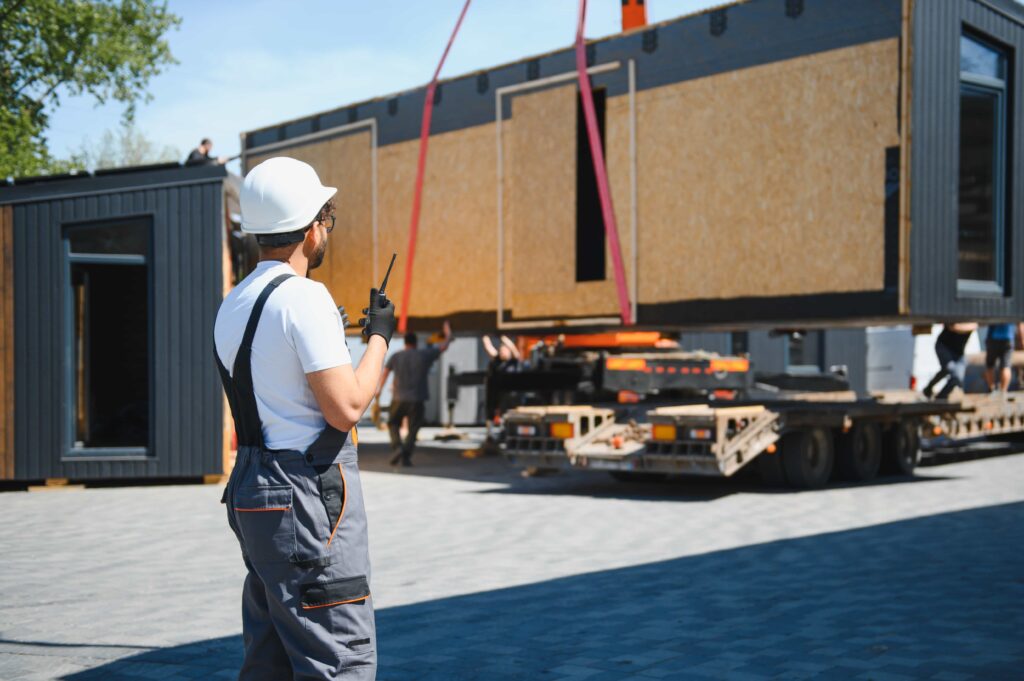
A park home is not fixed forever, and moving one is a job. Whether the home is being delivered to its pitch, relocated to another part of the park, or moved to a new site entirely, the lift and transit are a genuine risk point. Ask about cover for accidental damage during re-siting and transit before a move happens, rather than after, as not every policy includes it as standard.

Why Choose Us for Residential Park Home Insurance?
- 90+ years’ experience in insurance
- An allocated customer service team to guide you through the insurance process
- A team with a wealth of knowledge on park homes
- Access to a wide range of insurance providers
Looking to insure your residential park home? Get a quote from our team today.
How Much Does Park Home Insurance Cost?
There is no single average price for park homes, and we would rather be straight with you than quote a figure that does not fit your home. The cost depends on the value and model of the park home, whether it is single or twin skin, its age and condition, where the site is, and the level of cover and contents sum you choose. Security features such as alarms and a good claims record bring the premium down.
Because we compare cover across insurers rather than working from a single comparison site, we can find the right level of cover for your park home at a fair price. Ask us for an insurance quote and we will price it against your actual home rather than an average, so you know the number fits your park home.

Contact Us
For any enquiries or general queries please contact us
Frequently Asked Questions
Residential Park Home Insurance is a specialised policy designed to help protect park homes against risks such as theft, fire, storm damage, and vandalism. It can cover contents inside the home and provides liability coverage.
No. Residential and leisure park homes are considered ‘non-standard’ risks by insurance companies. Therefore, your insurance policy must specifically cover a park home. Unlike standard brick-and-mortar homes, park homes are constructed from materials like plywood, metal, and timber, which require different tradesmen for repairs.
The cost of insuring a park home in the UK varies based on factors such as the home’s value, location, and desired coverage level, but typical premiums can range from £200 to £500 annually. Understanding these factors can help you manage and potentially reduce your insurance costs.
While it is not legally required to insure your holiday home, it can sometimes be a requirement of park rules. Park owners may request proof of insurance annually, although this is not always enforced. Without insurance, you would be responsible for any loss or damage. Similarly, while contents insurance is not mandatory, it is advisable to include it in your policy to protect your belongings.
Yes, many Residential Park Home Insurance policies offer cover for contents inside the home. This can include furniture, electronics, and personal belongings. Be sure to check the policy details to understand the extent of cover.
You can reduce the cost by installing security features such as alarms and CCTV, choosing a higher excess, and maintaining a no-claims history.
If you need to make a claim, contact us as soon as possible. Provide us with all necessary details and documentation, such as photos of the damage and a police report if applicable. Follow our instructions to ensure a smooth claims process.
It’s a good idea to review your policy annually or whenever there are significant changes, such as renovations or changes in usage. This ensures that your coverage remains adequate and up to date.